
Turning Traffic Footage into Actionable Mobility Insights
Mobility signals
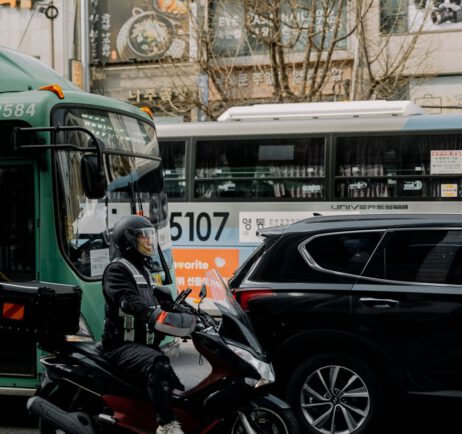
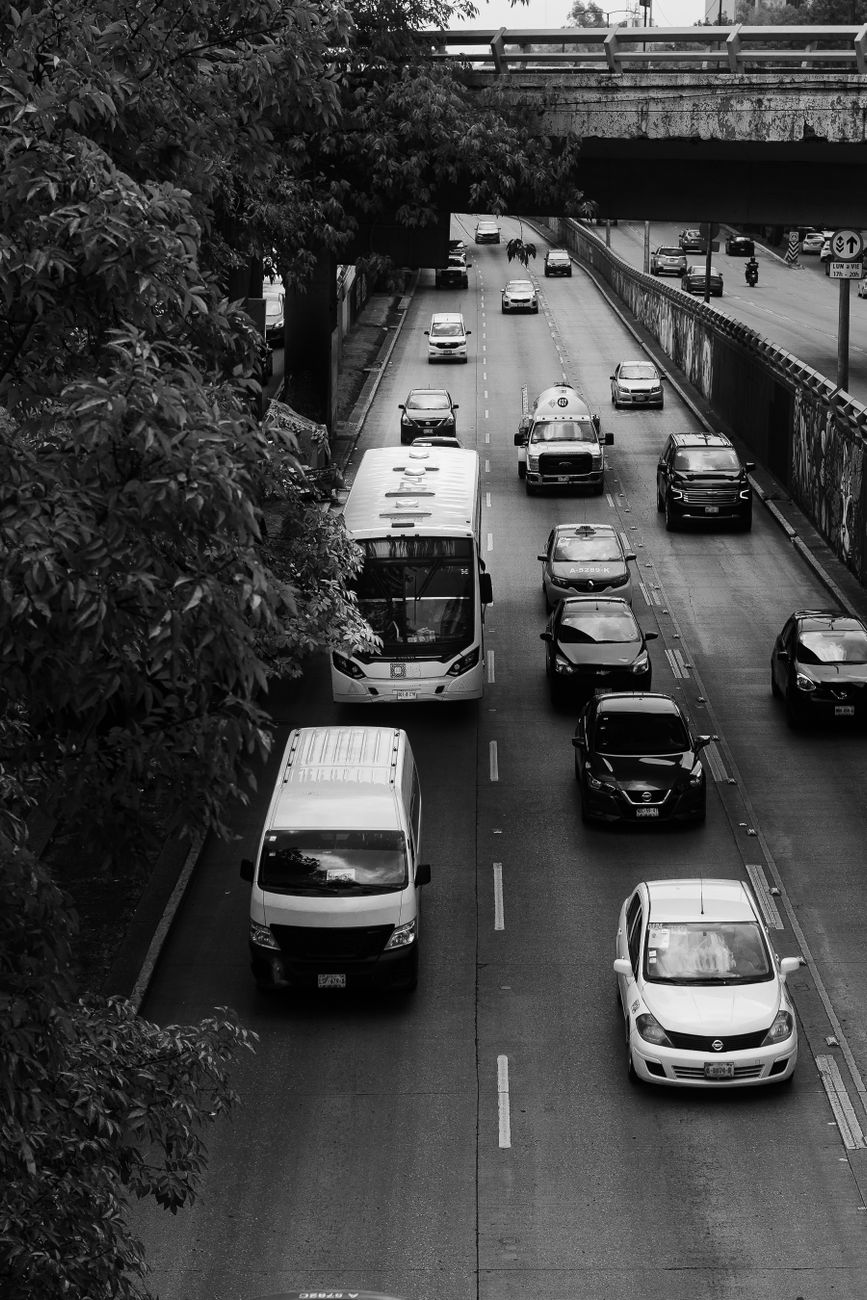
Road cameras contain more operational information than a live wall of video can reveal. Computer vision can convert those streams into structured events such as vehicle counts, queue length, lane occupancy, direction of travel, stopped vehicles, and near-real-time congestion indicators.
The goal is not to collect every possible metric. Transport teams begin with decisions they already need to make: when to adjust signal timing, where recurring bottlenecks form, which incidents need rapid verification, and how a network responds to weather or special events.
Deployment model
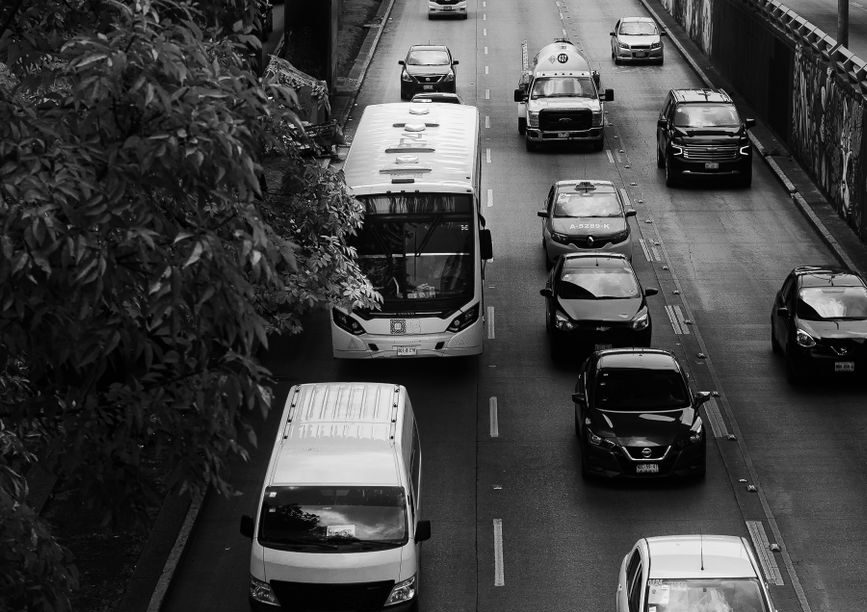
Edge processing allows each site to analyze video close to the camera and send only the required event metadata or short reviewed clips onward. This reduces bandwidth and supports privacy by avoiding continuous transfer of raw footage. Retention and access rules are defined before data collection begins.
Models are validated across time of day, weather, shadows, headlights, and camera vibration. A count that performs well at midday may behave differently in rain or at night, so monitoring must show performance by condition rather than only one aggregate number.
- Define zones and directions with transport specialists.
- Correlate visual events with existing signal and incident data.
- Review camera health so missing data is not mistaken for low traffic.
Decisions
Structured visual data helps teams compare locations consistently and test whether an intervention worked. It can reveal the duration of recurring queues, identify unusual stopping patterns, and provide evidence for adjusting road operations.
Long-term value depends on clear ownership. Analysts interpret trends, operations teams respond to live conditions, and governance teams control retention and access. With those roles in place, video becomes a focused operational sensor instead of an unmanaged archive.